Ami a múzeumba sem fér be
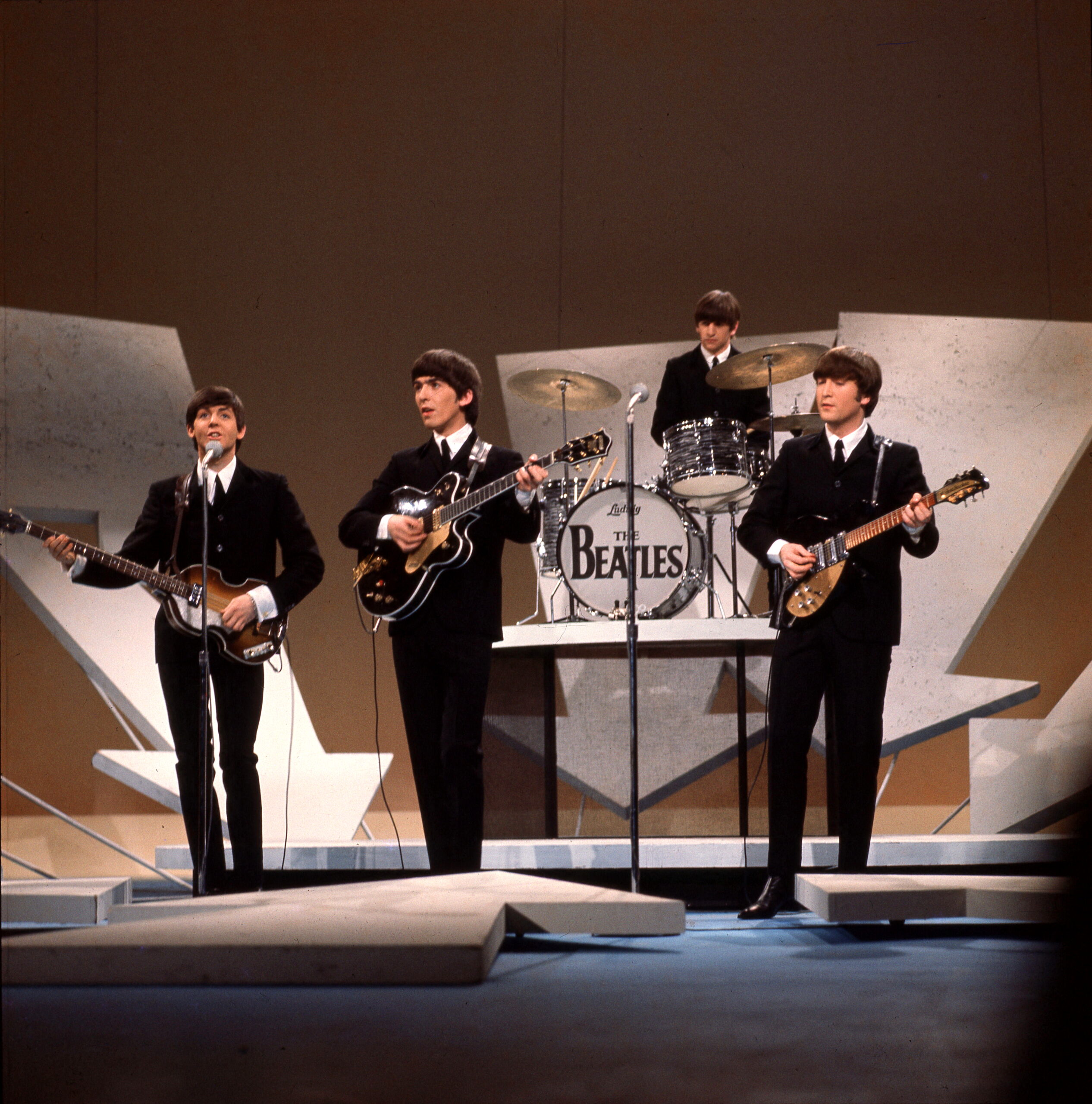 Archív felvétel • Beatles Múzeum Gyűjtemény
Anyone who steps into a museum sees what has been placed in the display cases and on the walls. Most of the real stories, however, remain behind the scenes: at the bottom of a box, in a notebook, in an old letter, or in that single sentence whispered by a visitor in front of one of the exhibits.
A collection is never complete
My Beatles collection wasn’t built all at once with a single big purchase. It’s made up of records, posters, photographs and small memorabilia, often the result of years of searching. Behind each item lies a weekend flea market, an auction abroad, an offer from a private collector or an unexpected phone call. That is why the exhibition is always a little different from how you remember it from your last visit.
What makes an object original?
One of the most fascinating questions for collectors is how to distinguish an original release from a later reprint. In the case of a record, the colour and lettering of the label, the printer’s mark on the sleeve, the serial number scratched beneath the rim of the record, and whether it is a mono or stereo version are all important factors. With a poster, the weight of the paper, the printing method, the size and the contemporary advertising text are tell-tale signs. It is these small details that determine whether something is a true reflection of an era or merely a memento of it.
The story revolves around the object
With a good exhibition piece, the object itself is merely the starting point. What matters is who held it in their hands, where it was kept, how it survived the decades, and what it meant to the person who kept it on their shelf for years. Many visitors arrive with their own memories: an old vinyl record that their uncle brought back from abroad, or a song they heard at their first summer camp. These conversations are the museum’s most valuable exhibits – ones that can never be put on display.
Questions worth asking
Next time you’re at the museum, don’t just look at the display cases. Ask about the object that caught your eye. Often, it’s the very story that doesn’t fit into the exhibition text that’s the best one.